Why Storytelling?
by
Raisa Stone
Storytelling
is a way to inform each other of our deepest needs, feelings and our
history. Of our interdependence not only with each other, but with all
species and the cosmos. Story defines and binds together community by
revealing how we are alike and yet each unique.
It instructs by bringing
humour and understanding to unbearable situations, bridging disturbing
paradox and suggesting creative solutions to emotionally charged
dilemmas.
Storytelling is a way to simultaneously explicitly describe
and leave unsaid the Mystery; that which brings us into being, animates
us, moves between us and causes our deaths.
At
the core of every classic myth, Biblical lesson, modern novel and movie
is story. For thousands of years, African storytellers called griots
have recited tales of tribal history that span days. This tradition
comes to us in Blues and Gospel music.
Jesus of Nazareth is probably the
best known storyteller in history; would we still be recounting his
legend if he had presented a list of facts instead of mesmerizing
parables?
Through the Middle Ages and Renaissance, travelling
storytellers known as minstrels enlightened
isolated European villages to both mundane details of others' lives and
vital political information with life or death implications. In my
homeland of Ukraine, these people were known as kobzari. The information they shared was considered so vital, Stalin had them rounded up and executed.
The shock of this discovery led me to write down and start telling the stories related to me by European survivors of Stalin and Hitler, including my own family.
In
contemporary culture, sharing stories from the heart is a powerful
remedy for the electronic fast fact, the cult of celebrity and media
disinformation.
Storytelling reminds us of the beautiful complexity of
being human.
©2006 Raisa Stone. May not be reproduced in any form without written permission.
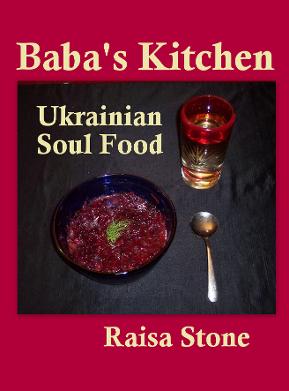
Baba's Kitchen: Ukrainian Soul Food with Stories From the Village is available here.